Hard Water in Indianapolis: What Citizens Measured and Your Softener Load
Citizens Energy Group's 2025 figures put Indianapolis water at 19 grains per gallon on average. Pick a hardness, enter your household and see the grains a softener must remove each day, the sodium added per quart and how long a unit of a given size lasts.
Updated
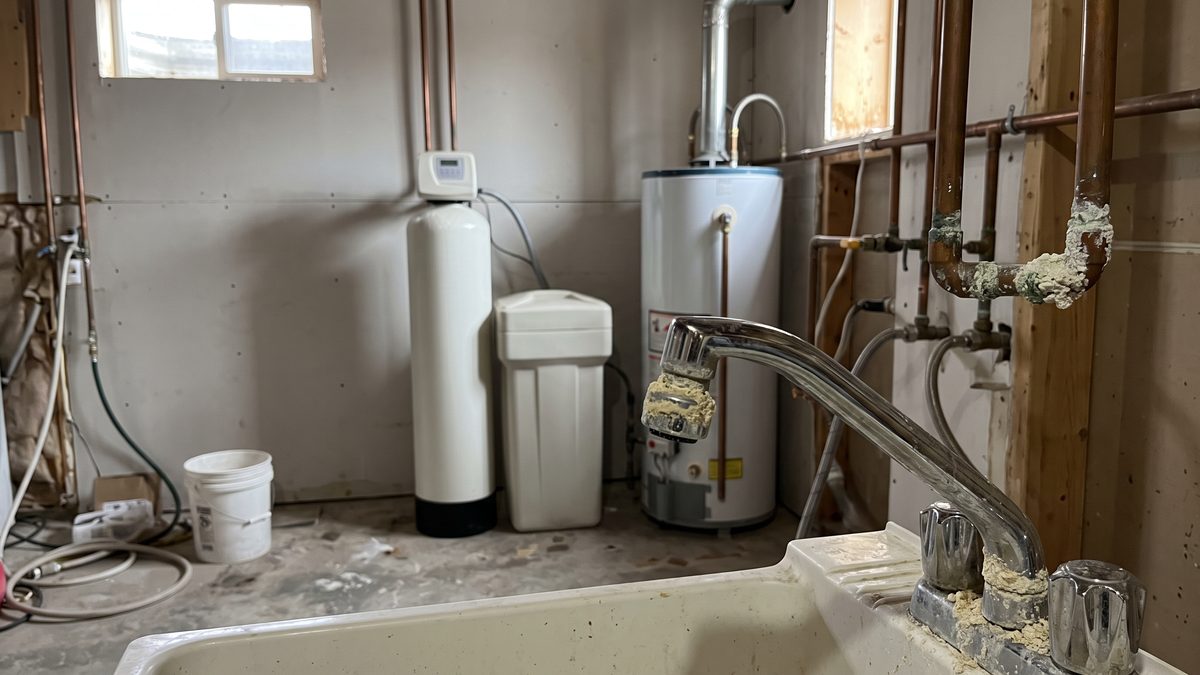
Tap water in Indianapolis is hard. Pick a hardness figure, say how many people use the water, and the tool shows how hard it counts as, how much hardness a household sends through a softener each day, and how long a given unit lasts between cleanings.
Work out your household's load
82 gallons is the USGS average at home per person, as quoted by EPA's WaterSense program. Use your own bills if you have them.
What Citizens measured in 2025
Citizens Energy Group is the utility that publishes the Indianapolis and Morgan County water quality report. In its 2025 data table, hardness averaged 317 ppm, which it converts to 19 grains per gallon. The highest sample read 460 ppm (27 grains) and the system range ran from 148 to 460 ppm, or 8.7 to 27 grains. A separate Citizens page says Indianapolis water typically runs from around 200 to 350 ppm, or 12 to 20 grains per gallon, and that hardness varies with the source water feeding each treatment plant. Citizens asks customers to call (317) 924-3311 for the typical figure at an address.
Classes are Penn State Extension's. The USGS draws its lines between soft, moderately hard, hard and very hard at the same 60, 120 and 180 milligrams per liter.
What a softener does, and what it takes in return
How the resin works
A softener passes water over resin beads coated with sodium. Calcium and magnesium stick to the beads and sodium goes into the water. When the beads are full, the unit backwashes with a salt brine and starts over. Penn State Extension notes that timed models regenerate on a schedule whether or not the resin needs it, while demand-control models regenerate after a set number of gallons, so the second kind wastes less salt and water.
The sodium trade
The same source puts the added sodium at 7.5 milligrams per quart for every grain per gallon removed. At the 2025 average that is about 140 milligrams in a quart of fully softened water. Penn State flags this for people on low-sodium diets, and a softener also takes calcium and magnesium out of the water you drink.
Penn State also says levels under 7 grains per gallon will probably not cause major scaling and soap film, and describes hardness minerals building up on surfaces, plugging pipes, damaging water heaters and weakening soaps and detergents. Every Indianapolis reading in the 2025 table is above that 7 line.
Questions to put to an installer
- What is the unit's rated capacity in grains, and how many days at my household's load before it regenerates?
- Is it a timed unit or a demand-control unit?
- Will any taps bypass the softener, the outdoor ones for example?
- Whose number are you using for the hardness of my water, and when was it measured?
- Who is responsible for the salt and the brine tank, and what does a service visit cost?
Companies that install and service softeners in the city are in our water softener list, and the plumbers list covers the line work that sometimes goes with it.
Where each figure comes from: the sources page.